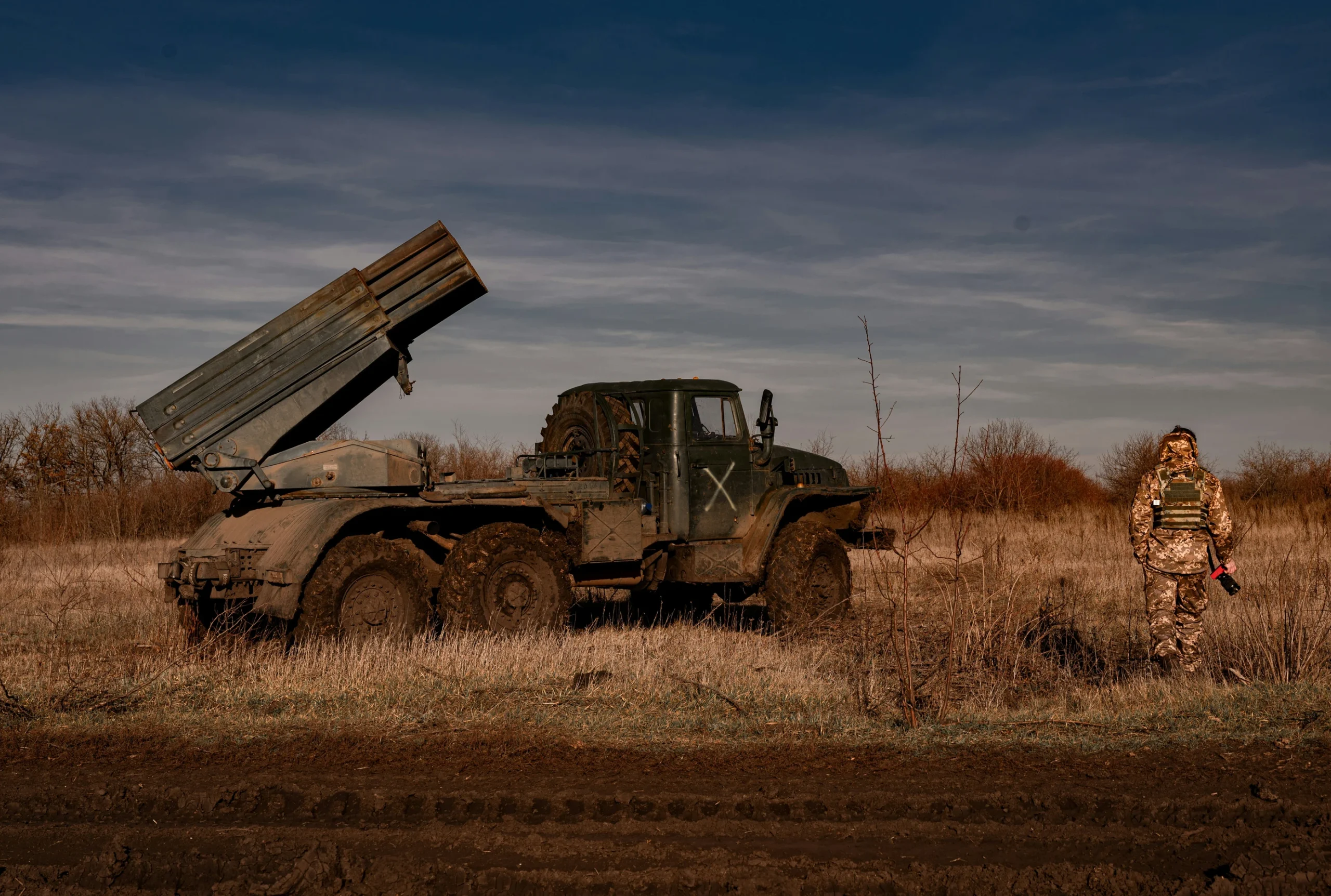
On August 6th, 2024, Ukrainian forces launched a cross-border operation into Russia’s Kursk region, claiming to seize more than 28 settlements across 1000 square kilometers of territory. Notably, this included the “Sudzha” pipeline station, which is part of Russia’s natural gas transportation infrastructure to Europe.
Marking one of the most significant incursions on Russian soil since World War II, this advance took Russian border elements by surprise, with Ukraine consolidating its gains as of mid-August. Russia has appointed an official to oversee counteroffensive efforts and deployed reinforcements to the region, but efforts to contain Ukrainian forces are still ongoing.
Analysis: Ukraine’s foray into Russian territory marks a shift in the conflict, forcing Russia to adjust its military strategy to defend its territory while maintaining offensive operations in Ukraine. Redeployment of Russian troops from critical fronts may provide some relief to Ukraine’s embattled troops. At the same time, the seizure of crucial infrastructure may also improve Ukraine’s bargaining position in future peace talks. While this may be a calculated move to draw Russian forces away from heavily contested areas such as Donetsk, this strategy does not come without significant risk.
President Vladimir Putin has previously justified the usage of nuclear weapons in response to existential threats, including challenges to Russia’s territorial integrity. Simultaneously, the Kremlin has accused NATO of direct involvement in the planning and execution of Ukraine’s incursion. Regardless of the legitimacy of these claims, Putin has established a legal framework to utilize Russia’s nuclear arsenal against these perceived threats, and continued expansion of Ukraine’s incursion has the potential to provoke a catastrophic response.
Another vital consideration is Ukraine’s extensive usage of First Person View (FPV) drones to democratize the battle space and gain a decisive advantage in this conflict. These drones, which typically require direct control by an operator and have limited range, have enabled over 25,000 strikes on Russian assets as of mid-2024. However, as Ukrainian forces advance deeper into Russian territory, they may encounter more sophisticated fixed and layered Electronic Warfare (EW) systems, particularly in strategic military areas. These countermeasures may diminish the effectiveness of Ukraine’s drones and significantly increase the risk to their operators.
With Ukrainian forces already facing similar logistical challenges as other historical foreign powers on Russian soil and the invasion presenting a direct challenge to Putin’s previous threats of nuclear retaliation, it is unclear what leverage Ukraine will ultimately sustain through this operation. While Ukrainian forces may benefit strategically in the short term, the cost of miscalculation may be too high, potentially leading to disastrous consequences for Ukraine and the broader international community.